He was killed instantaneously this morning by a German shell, which exploded close by him, as he was taking a horse ambulance waggon out to bring in some sick and wounded men. He was riding the leading horses – we use four horses to each waggon here – and both his horses were killed by the same shell. This happened in the main street of a small village five miles behind our front line, a place where, in the ordinary course of events, one would expect to be safe, but with the long-range guns that are now in use there is no safety anywhere, although this was really a chance shot.
His friend, Lander, was riding the other pair – wheelers – and he was wounded, though not very badly, and the RAMC Orderly on the box was also hit by flying fragments. The occurrence has cast a great gloom over the whole unit, officers and men alike, with all of whom your son was a general favourite, and if it is any satisfaction to you or his mother to know the details, I may tell you that the shell fell less than half a mile from our camp. We brought his body back here in a car, and here it lies with us to-night. To-morrow he will be buried in our presence in the village cemetery, by our senior chaplain, and all the officers and men will attend.
He was one of our hardest-working and happiest boys, always cheerful and apparently liking his work, though often having to suffer great inconvenience, discomfort and hardship. I had a chat with him last night at 9pm, when I was going round to see how all the men were housed. He assured me with his usual smile that he was quite all right, and that I need not worry about him and his mates, as they were well able to look after themselves.
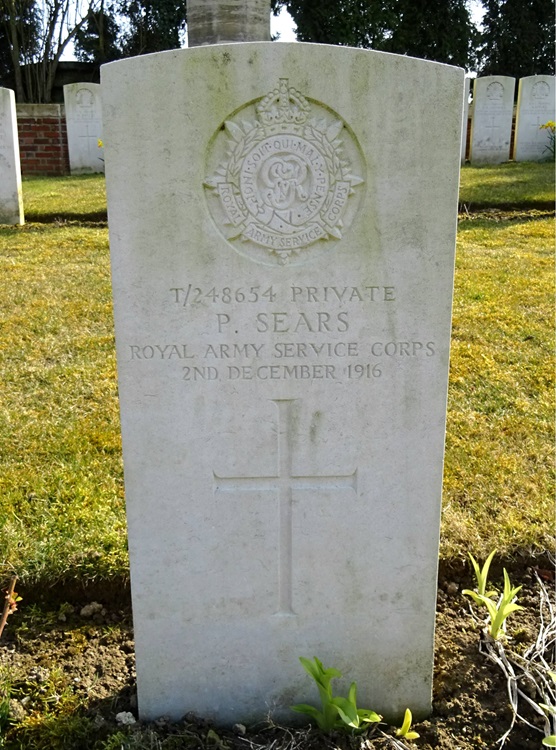
Lieut-Col George Mackie - 2nd December 1916.