
South Warwickshire Family History Society War Memorial Transcription Project
The Fallen Men of South Warwickshire - World War One |
|
|

|
Military History |
| Theatre of War in Which Died | Campaign Medals | Commonwealth War Grave or Memorial |
|---|---|---|
| France & Flanders | 1914-15 Star, British War & Victory Medals | Lonsdale Cemetery, Somme |
| First Arrived in Theatre | Bravery & Conduct Medals | SWFHS Area Memorials |
| 23 Feb 1915 in France | ~ | Nether Whitacre War Memorial |
| Action, Battle or Other Reason Died | Date and Place Enlisted | Other War Memorials |
| Battle of Albert (Somme) | October 1914 in Mansfield, Notts | ~ |
| Place of Death | Previous Regiments or Units | |
| Ovillers | ~ | |
Circumstances of Death
|
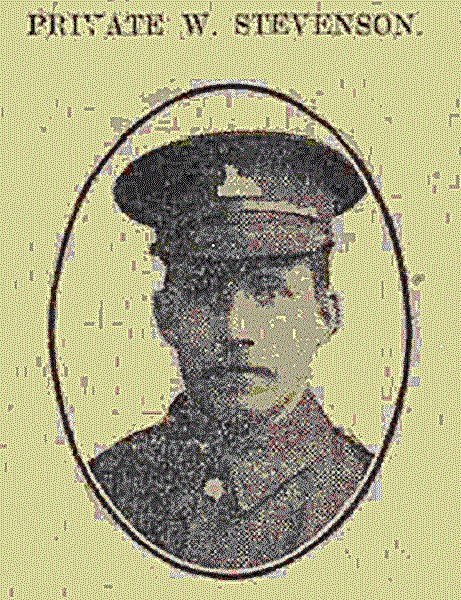
Walter is listed as being killed in action on 1st July 1916, the first day of the Battle of the Somme. The following description of the events of that day is taken from The History of the Lincolnshire Regiment 1914-1918 compiled by Major-General C. R. SIMPSON, C.B. "The 8th Division had all three brigades in the front line, 23rd on the right, 25th in the centre and 70th on the left. The centre lay opposite Ovillers and of the 25th Brigade the 2nd Royal Berkshire were ordered to attack on the right and the 2nd Lincolnshire (Lieut.-Colonel R. Bastard) on the left, with the 1st Royal Irish Rifles in support and the and Rifle Brigade in reserve. The northern half of Ovillers and three or four lines of powerfully-defended trenches formed the first objective of the 25th Brigade. The [2nd] Battalion was in position by 3.30 a.m., two companies in the front line between Cartmael and Longridge, one company in Pendlehill and Cartmael and Battalion Headquarters with the remaining company in Waltney. Two patrols, one under and Lieutenant Eld and the other under Lieutenant Ross, reported that the enemy’s wire was well cut : the former officer and several men were wounded. At 6.25 a.m., when the intense bombardment began, the enemy replied with high explosive shrapnel on the frontline and assembly trenches. Five minutes before zero the assaulting companies advanced from their assembly positions preparatory to the attack, all three companies getting their first two waves into No Man’s Land and the third and fourth waves out at zero. This operation was carried out quickly and without a hitch, though they were observed and casualties were fairly heavy. The story of the gallant efforts made by the and LincoInshire to win through to their objective cannot be more fittingly told than in their own words: “As soon as the barrage lifted the whole assaulted. We were met with very severe rifle-fire and in most cases had to advance in rushes and return the fire. This fire seemed to come from the German second lines and the machine-gun fire from our left. On reaching the German front line we found it strongly held and were met with showers of bombs, but after a very hard fight about two hundred yards of German lines were taken about 7.50 a.m. Our support company by this time joined in. The few officers that were left gallantly led their men over the German trench to attack the second line, but owing to the rifle and machine-gun fire could not push on. Attempts were made to consolidate and make blocks, but the trench was so badly knocked about that very little cover was obtainable. “We were actually in the German trenches for two or three hours, and captured a lot more trench on our right by bombing as well as repulsing a German counter-attack from their second line. It was impossible to hang on longer owing to shortage of ammunition, and no more bombs, as we had used up all our own as well as all the German bombs we could find in the trenches and dug-outs, and were being graduaIIy squeezed out by their bombing attacks. A company of the Royal Irish Rifles made a most gallant attempt to come to our support, but only ten or twelve men succeeded in getting through the zone of terrific machine-gun fire. We went into the attack with twenty-two officers, all of whom were killed or wounded, except Leslie and myself, and we had bullet holes through our clothing. “During the time I had the honour of commanding the 2nd Battalion I never saw the men fight better; they were magnificent in the most trying and ‘adverse conditions. The attack, though a failure, was a most glorious effort, and I was intensely proud of the battalion. “We first retired to shell-holes in ‘No Man’s Land’ and kept up fire on the trench we had left with ammunition we collected from the wounded. As it was obvious we could do no good there, we retired to our own trench and reorganised to be ready for another attack if required. “Orders were received from the 25th Brigade to withdraw to Ribble and Melling Streets and occupy the assembly dug-outs, which was done.” At 12 midnight the battalion was relieved and proceeded to Long Valley". |
| Personal & Family History |
| Birth Date/Place | Baptism Date/Place |
|---|---|
| 20 Dec 1888 in Glascote | 9 Jan 1889 at Glascote St. George |
| Parents Names | Abode |
| Edward James and Zillah Stevenson | 39 Piccadilly, Kingsbury |
| Wife and Marriage Details | Children |
| Lilian May Stevenson nee Collingwood | Joseph Edward born 29 May 1912 |
| 3 Jun 1911 at Kingsbury St Peter & Paul | Walter born 7 Dec 1913 |
| Schools | Colleges |
| ~ | |
| Address History | Employment History |
| 1889 - Glascote | 1901 - School age |
| 1891 - Glascote Road, Bolehall, Glascote | 1911 - Coal Miner/Hewer |
| 1901 - 193 Hodgkinsons Row, Wilnecote | 1914 - Coal Miner |
| 1911 - 39 Piccadilly, Kingsbury | |
| 1916 - 14 Sycamore Cottages, Nether Whitacre |
