
South Warwickshire Family History Society Town and Villages Project
|
Lighthorne was a settlement mentioned in the Domesday Book and located in the hundred of Stoneleigh and the county of Warwickshire. In 1086 it had a recorded population of 9 households putting it in the smallest 20% of settlements recorded in Domesday. Also known as the land of Robert of Stafford. The Doomsday survery revealed that the village had 6 villagers, 2 smallholders and 1 slave.
More recently Bubbenhall is a village and civil parish in Warwickshire. It is set 5.5 miles (9 km) southeast of Coventry and 5 miles (8km) northeast of Leamington Spa. It has two pubs, Three Horseshoes and The Malt Shovel. Nearby villages include Ryton-on-Dunsmore, Stretton-on-Dunsmore, Baginton, Stoneleigh and Weston under Wetherley.
The Parish Church St Giles is mainly 13th & 14th century but the chapel was established some time before 1153. In our church you can find two "green men", dating from the 13th century, a Norman font, and stained glass by Kempe.
Bubbenhall in 2019
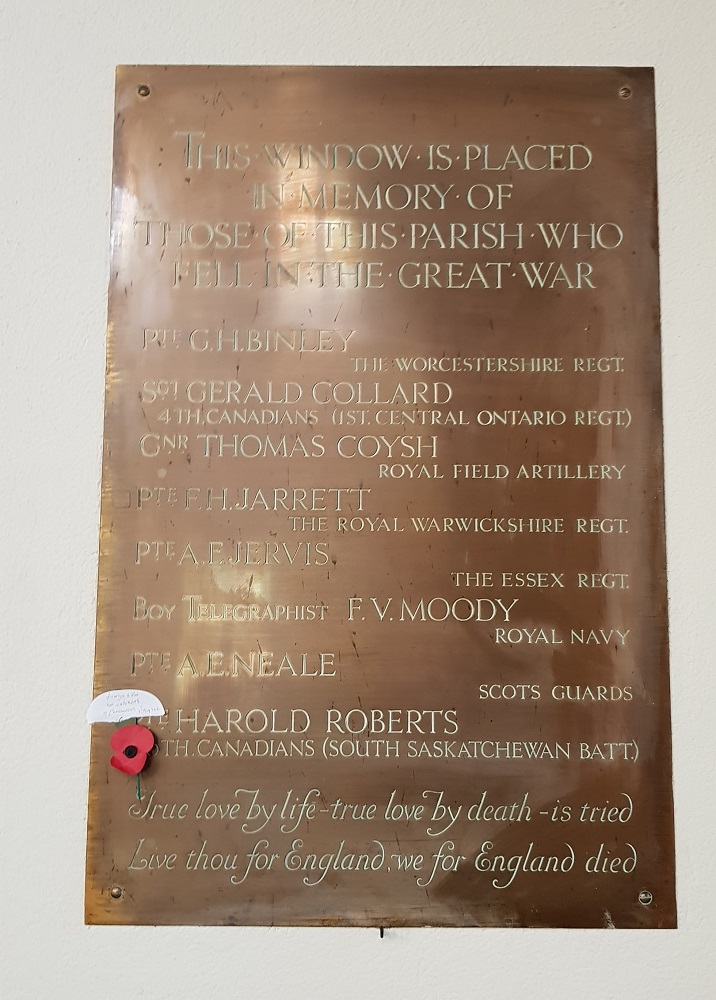
 Boer War Memorial Window at St Giles
Boer War Memorial Window at St Giles
Boer War Memorial Window at St Giles
 Street View
Street View
Street View
 Interior of St Giles
Interior of St Giles
Interior of St Giles
 St Giles
St Giles
St Giles
 Street View
Street View
Street View
 Street View
Street View
Street View
https://www.swfhs.org.uk/index.php/image-galleries/bubbenhall-village/25-town-and-village-images#sigProId21d485d6de
Bubbenhall in Black & White
 St. Giles 1926
St. Giles 1926
St. Giles 1926
 Three Horseshoes c1900
Three Horseshoes c1900
Three Horseshoes c1900
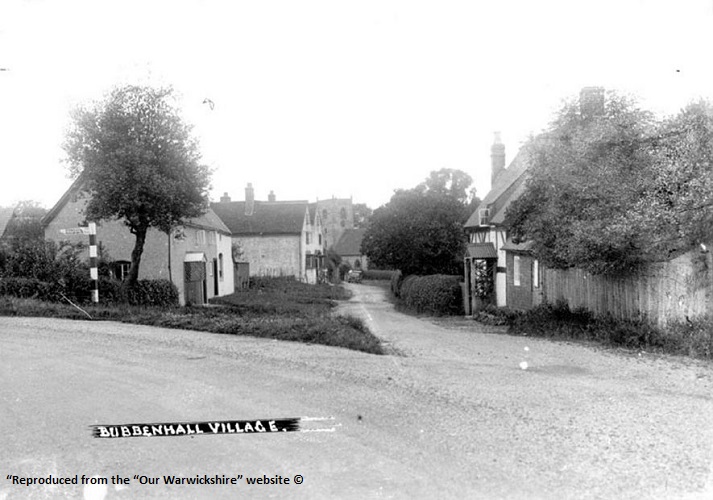 Village Scene c1930
Village Scene c1930
Village Scene c1930
 Village Scene c1930
Village Scene c1930
Village Scene c1930
 Village Street c1900
Village Street c1900
Village Street c1900
https://www.swfhs.org.uk/index.php/image-galleries/bubbenhall-village/25-town-and-village-images#sigProId492e3827dc
Links to SWFHS Content about Bubbenhall
- Baptism Records Index
- Marriage Records Index
- Burial Records Index
- War Memorial Transcription and Research Page
Other Online Resources About The History of Bubbenhall. Our thanks for use of some of content above.
- Bubbenhall Village Website
- Our Doomsday Book
- British History Online
- Our Warwickshire Pages
- Wikipedia Entry
- A Vision of Britain - University of Portsmouth
Colour Photographs © of Ian Shuter & SWFHS unless otherwise described. Please feel free to use for any NOT FOR PROFIT activity.
Black & White Photographs “Reproduced from the “Our Warwickshire” website ©.
Hunningham is a small village and civil parish in Warwickshire, England. It is found 3 miles to the north-east of Leamington Spa, within the Radford Semele ward. In 2005 the village population was 198.
The name Hunningham comes from ancient times meaning 'Homestead/village of Huna's people' or 'hemmed-in land of Huna's people'. Places of interest are the Red Lion public house and a local nature reserve where endangered species live. It also has a cricket club, that is home to one of the largest youth sections in the county. In 2007 The Red Lion public house was refurbished after flooding by the River Leam. The geology of the area is clay, with gravel subsoil.
Links to SWFHS Content about Hunningham
- Hunningham Baptism Records Index
- Hunningham Marriage Records Index
- Hunningham Burial Records Index
- Hunningham War Memorial Page [under construction]
A small gallery of images from the Village of Hunningham.
-

-
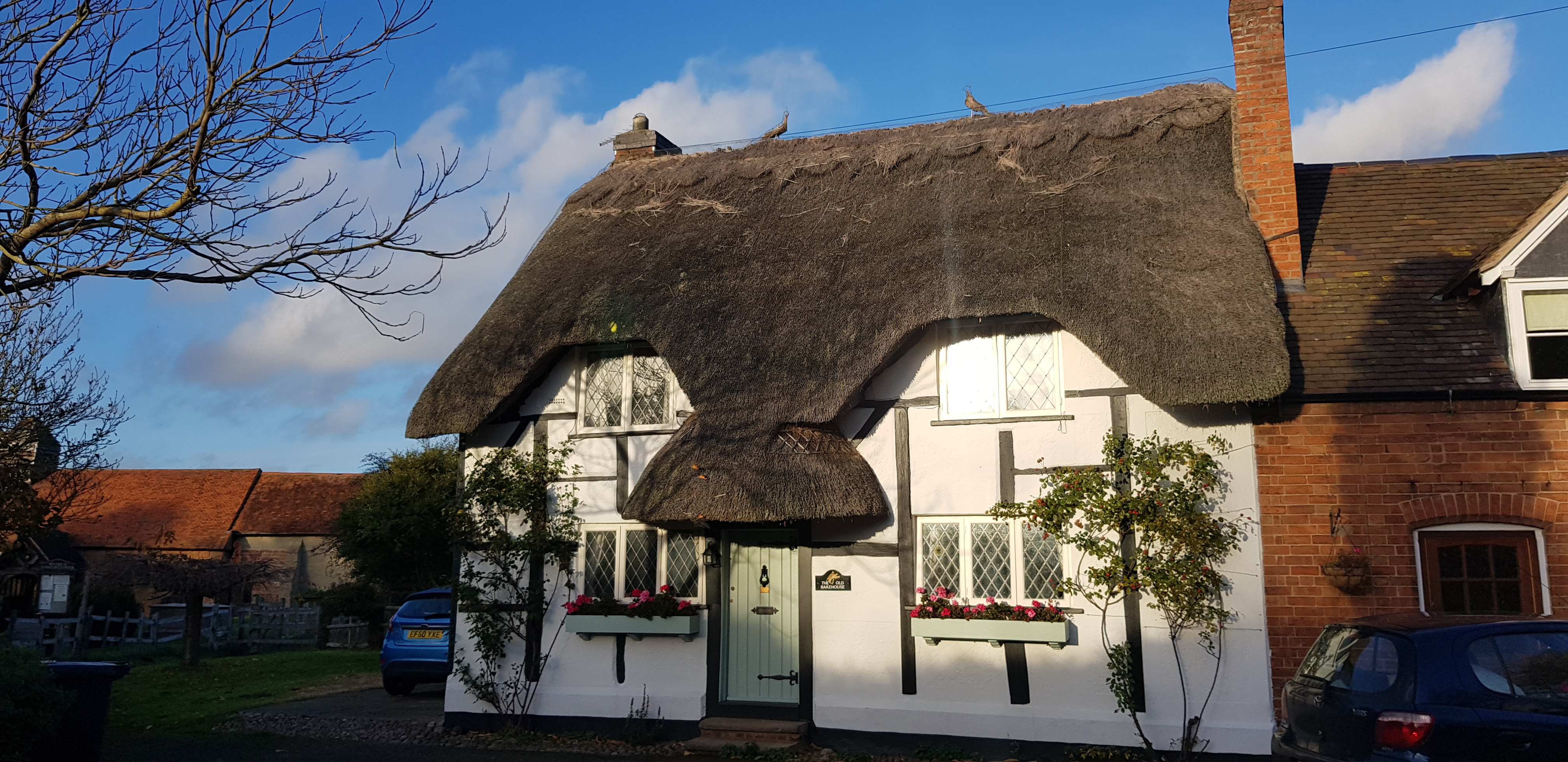
1. Old Bakehouse
1. Old Bakehouse
-
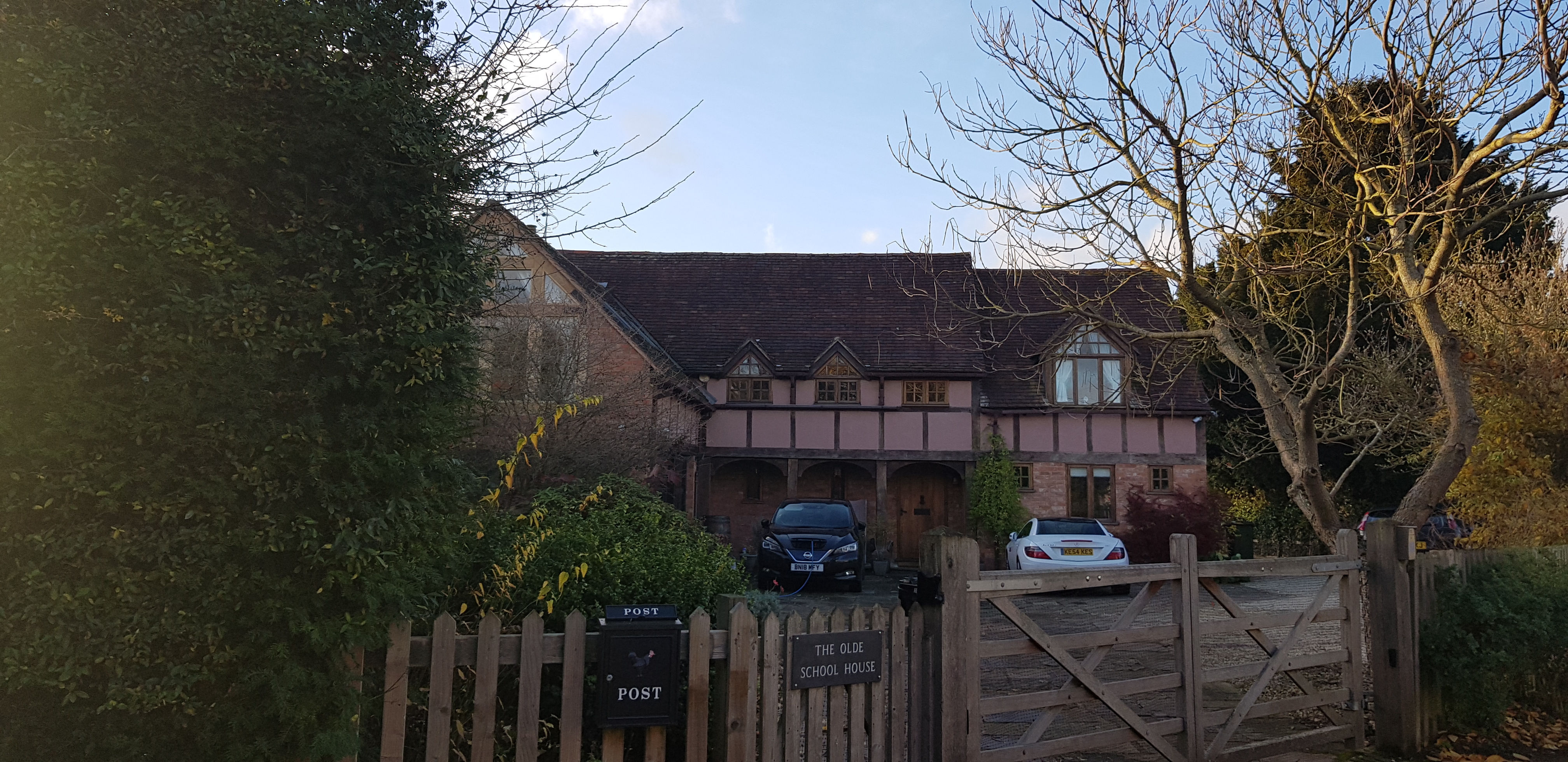
2. Old School House
2. Old School House
-
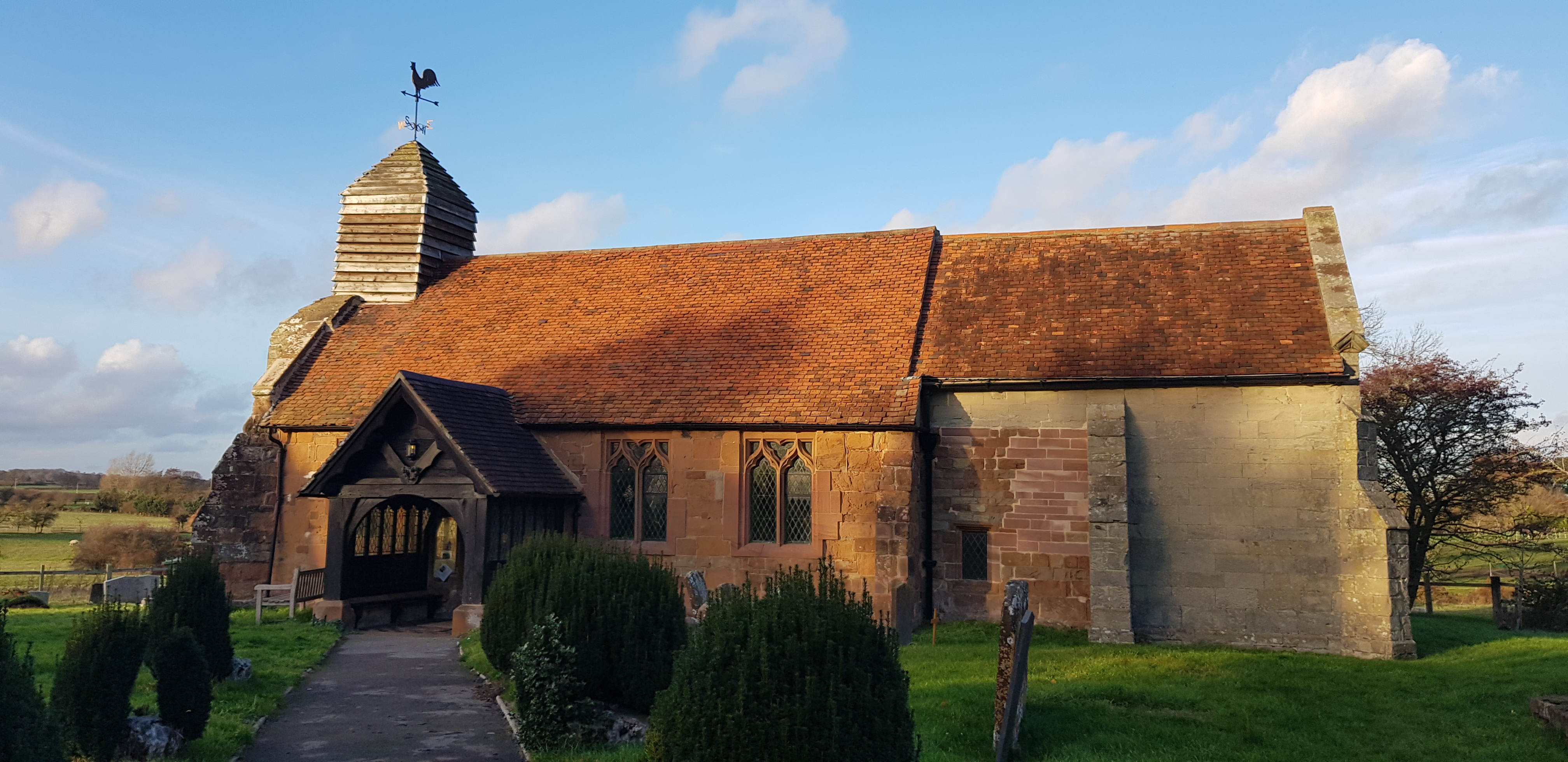
3. St. Margarets Church
3. St. Margarets Church
-
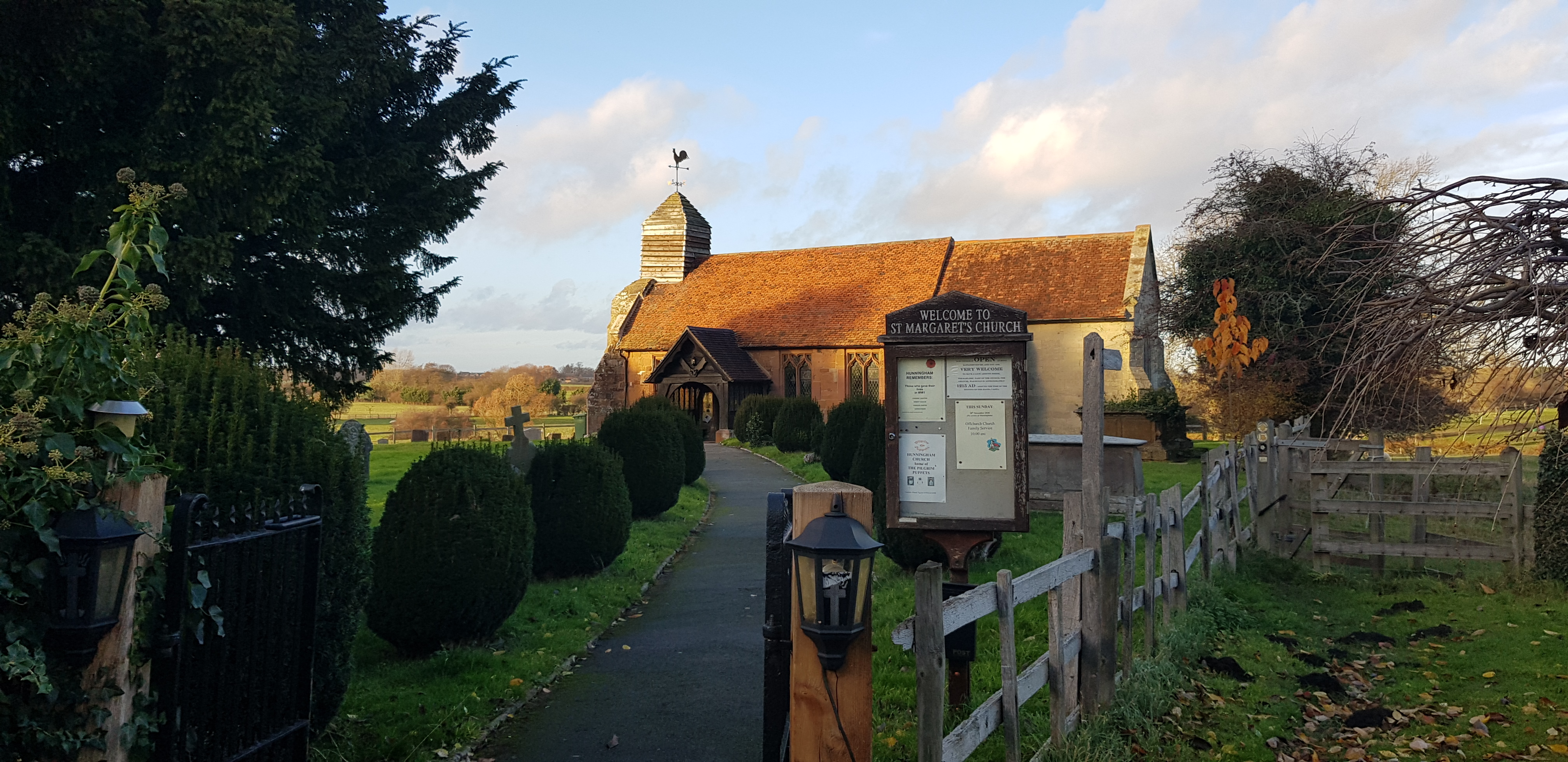
4. St Margarets Churchyard
4. St Margarets Churchyard
-
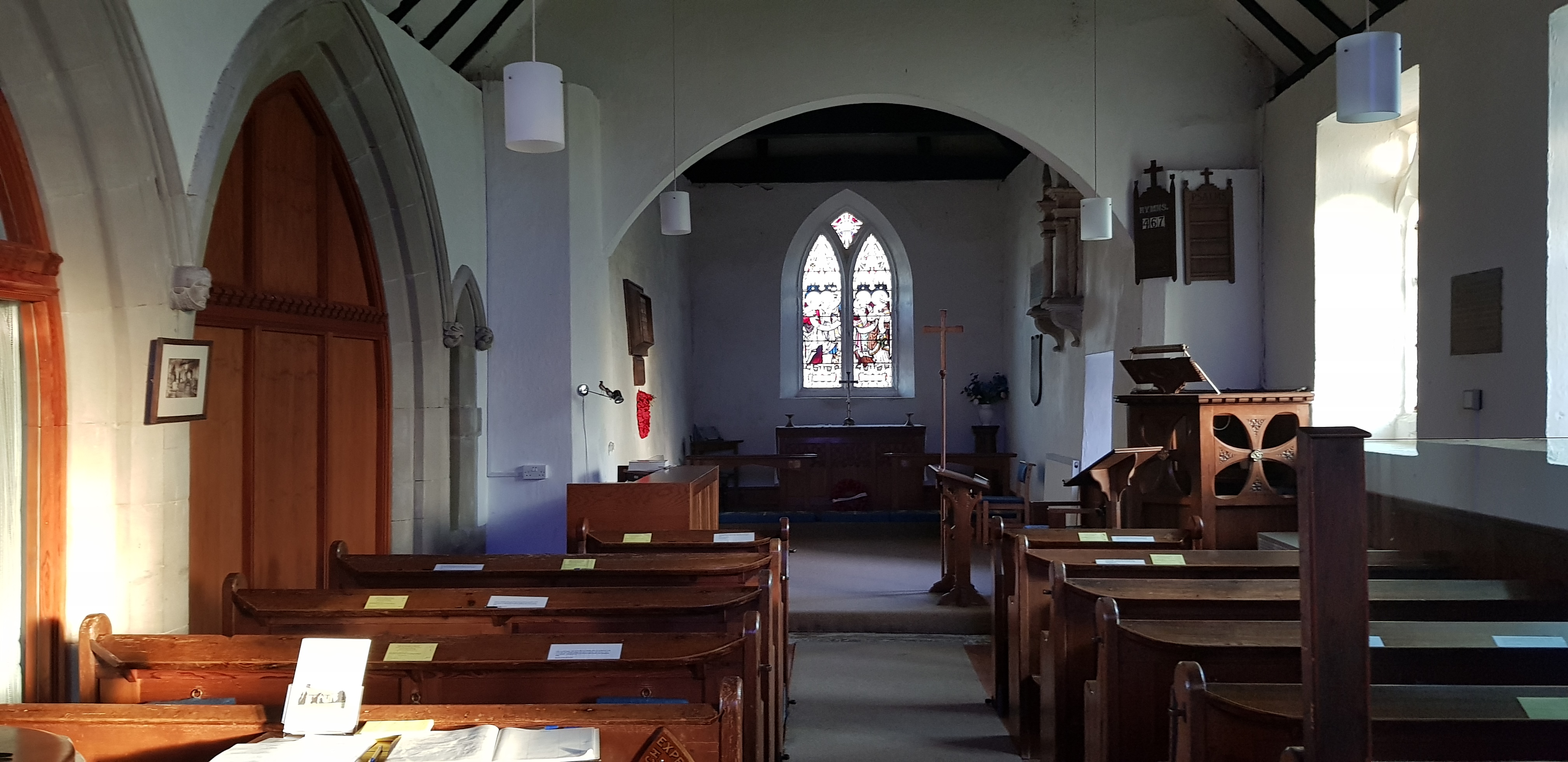
5. St. Margarets Interior
5. St. Margarets Interior
https://www.swfhs.org.uk/index.php/image-galleries/bubbenhall-village/25-town-and-village-images#sigProId464b64b853
Thanks to Wikipedia for the information. For more indepth information please see the Hunningham entry on London University's website British History Online.
- Details
- Written by webmaster
- Hits: 2858
Lower Shuckburgh is a small village in eastern Warwickshire. It lies within the civil parish of Upper and Lower Shuckburgh, which in the 2001 census had a population of 82.
The village lies on the A425 road between Southam and Daventry. Just north of the village is the Oxford Canal. On Beacon Hill, just south of the village, is the deserted village of Upper Shuckburgh after which the parish is partly named.
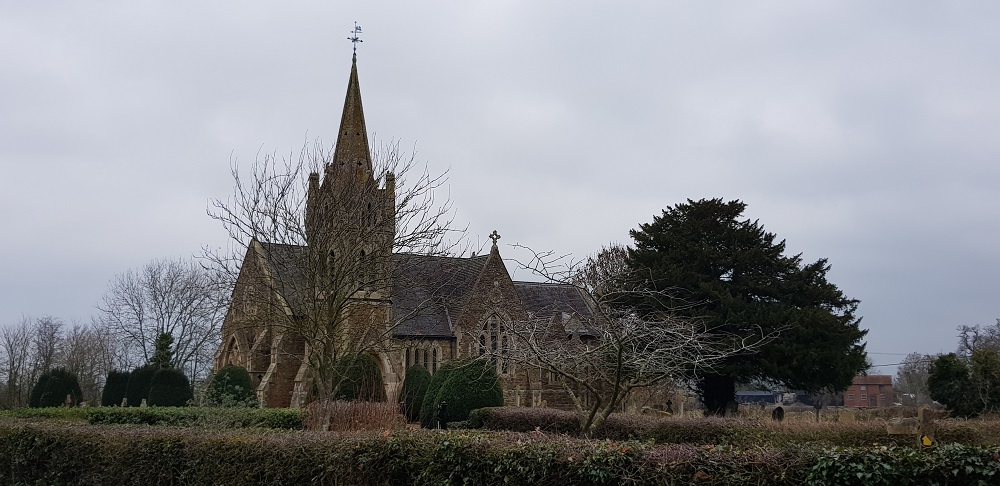
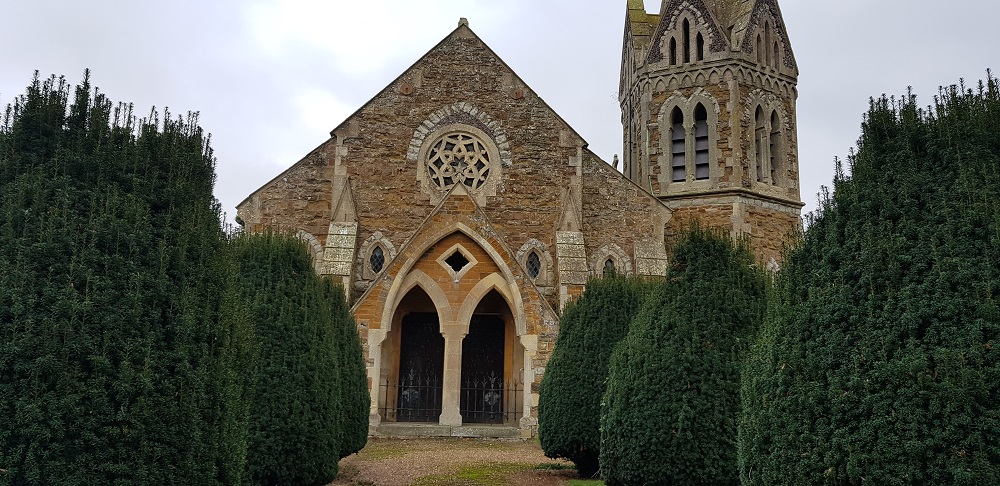
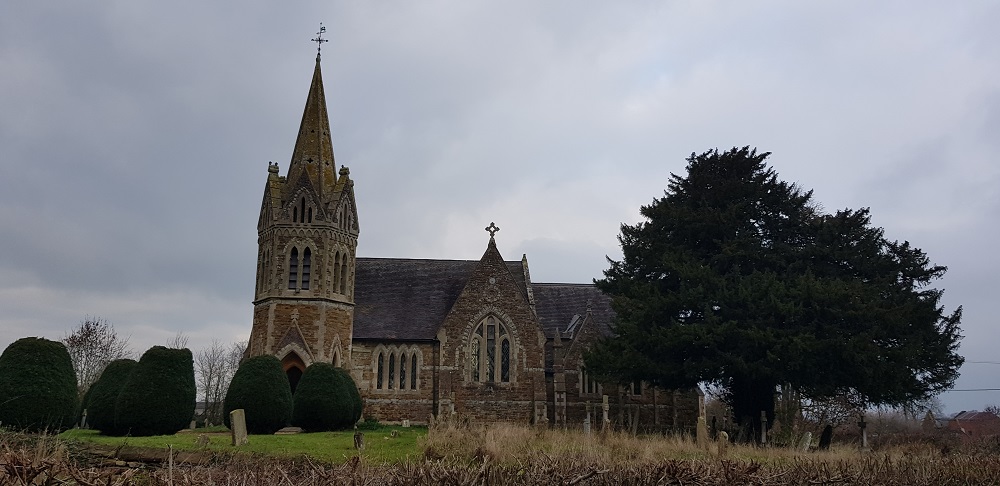
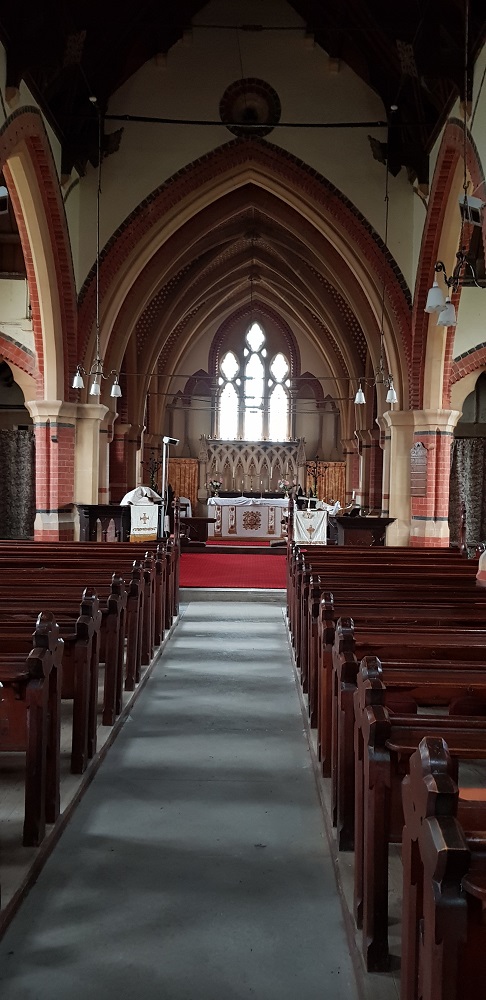
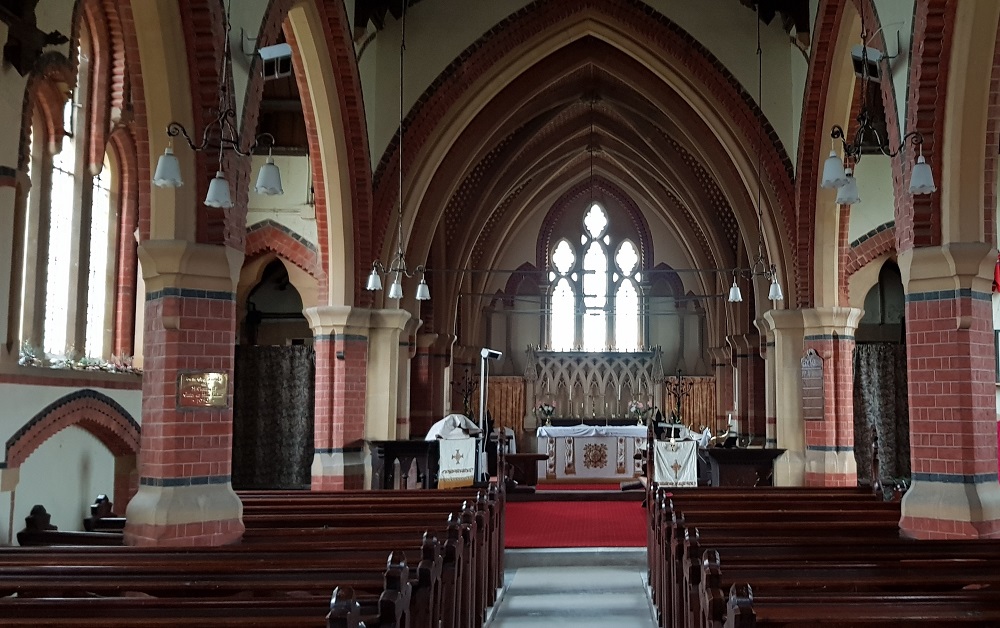
The most notable building in the village is the Church of St John the Baptist, designed by John Croft, which dates from 1864 and is built in Gothic style.
Shuckburgh was mentioned in the Domesday Book as Sochberge, possibly referring to a long lost burial mound or barrow. The villages appear as Ouer Shugbury and Nether Shugbury on the Christopher Saxton map of 1637.
Links to SWFHS Content about Lower Shuckburgh
Links to SWFHS Content about Upper Shuckburgh (now deserted)
A small gallery of images from the Village of Lower Shuckburgh.
-
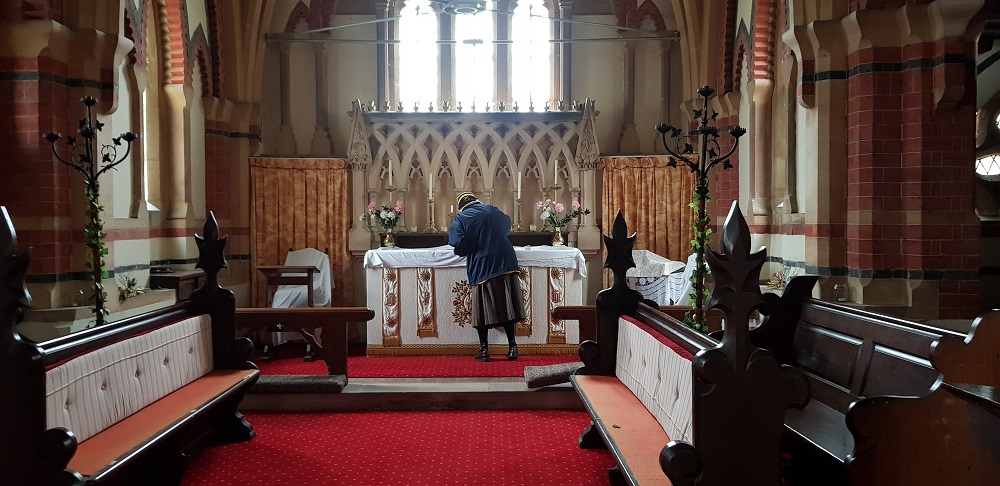
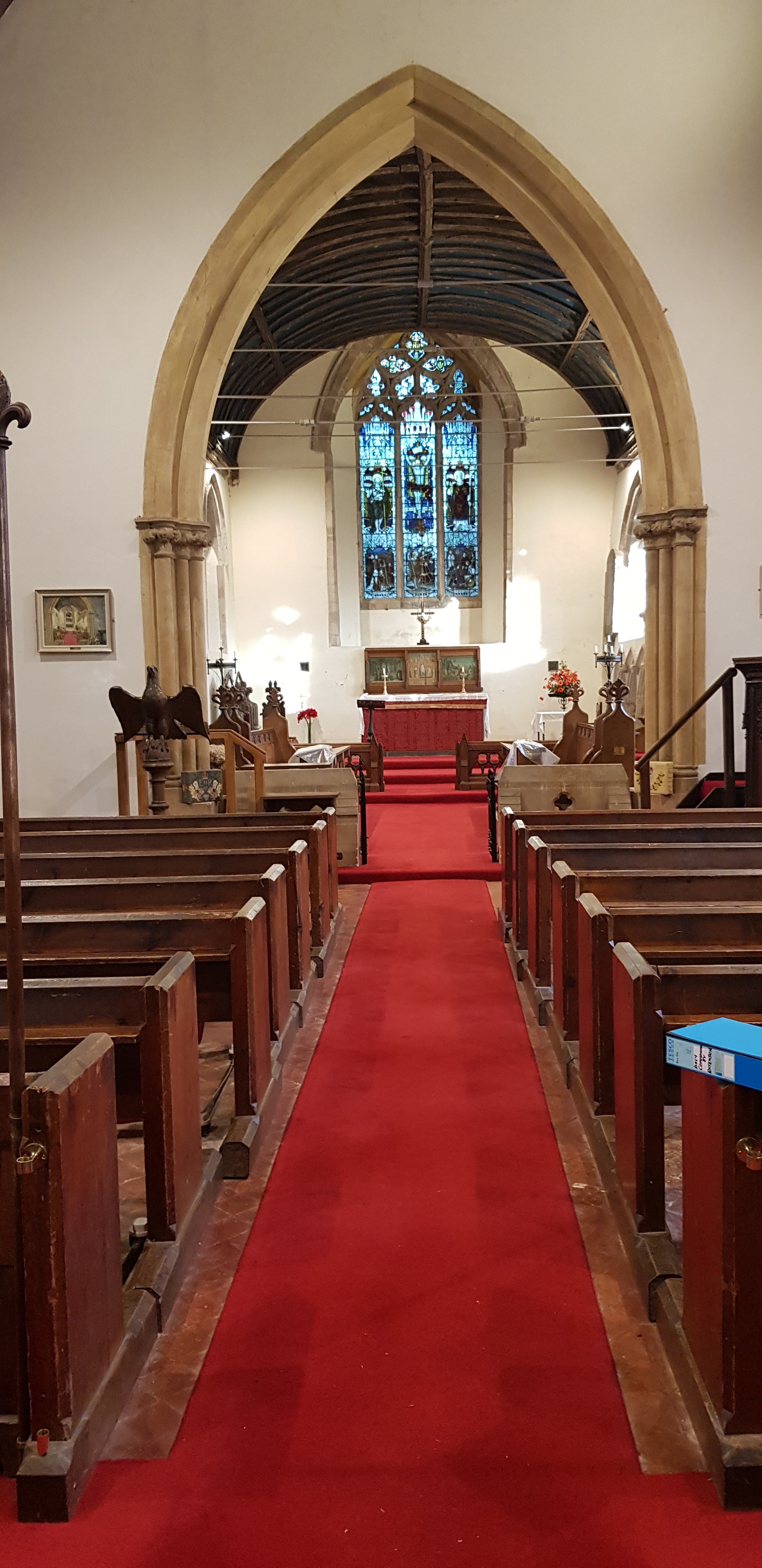
St. John Church
St. John Church
-
St. John Church
St. John Church
-
St. John Church
St. John Church
-
St. John Church
St. John Church
-
St. John Church
St. John Church
-
St. John Church
St. John Church
-
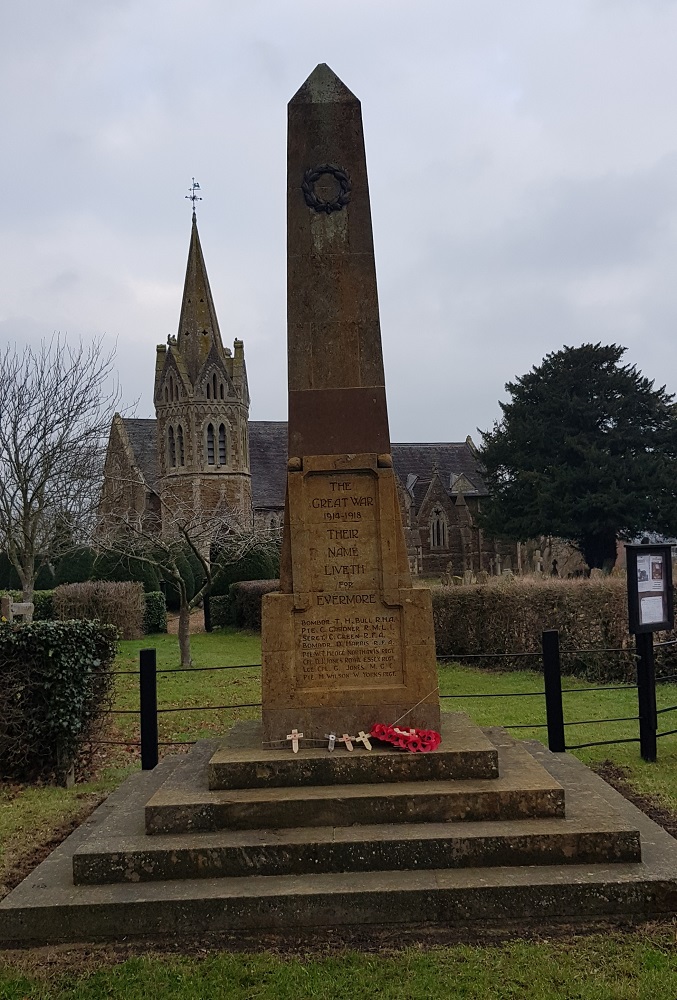
War Memorial & Church
War Memorial & Church
-
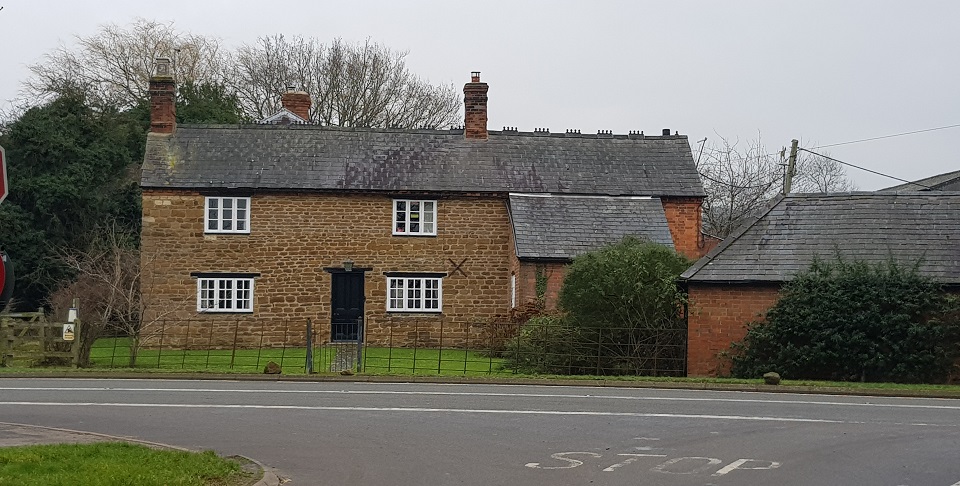
House Opposite Church
House Opposite Church
https://www.swfhs.org.uk/index.php/image-galleries/bubbenhall-village/25-town-and-village-images#sigProIdcd86fac899
Thanks to Wikipedia for the information. For more indepth information please see the Lower & Upper Shuckburgh entry on London University's website British History Online.
Other Online Resources
- Doomsday Book
- A Vision of Britain
- Parish Website
- Details
- Written by webmaster
- Hits: 4220
Aston Cantlow is a village in Warwickshire, England, on the River Alne 5 miles (8.0 km) north-west of Stratford and 2 miles (3.2 km) north-west of Wilmcote, close to Little Alne, Shelfield, and Newnham. It was the home of Mary Arden, Shakespeare's mother. At the 2001 census, it had a population of 1,674, being measured again as 437 at the 2011 Census.
Prior to the Norman conquest in 1066, the manor of Aston was held by Earl Ælfgar, son of Earl Leofric who had died in 1057, and the husband of Lady Godiva. Osbern FitzRichard, son of Richard FitzScrob (or FitzScrope), builder of Richard's Castle, was the holder in 1086 as the Domesday Book records.
Links to SWFHS Content about Aston Cantlow
- Baptism Records Index
- Marriage Records Index
- Burial Records Index
- War Memorial Page [under construction]
A small gallery of images from the Village of Aston Cantlow.
-
Tudor Rose Cottage
Tudor Rose Cottage
-
Village Hall
Village Hall
-
The Kings Head
The Kings Head
-
Church Gate & Old Post Office
Church Gate & Old Post Office
-
Church Lane
Church Lane
-
St John's Church
St John's Church
-
St John's Church
St John's Church
-
Church Interior
Church Interior
-
Church Ceiling
Church Ceiling
-
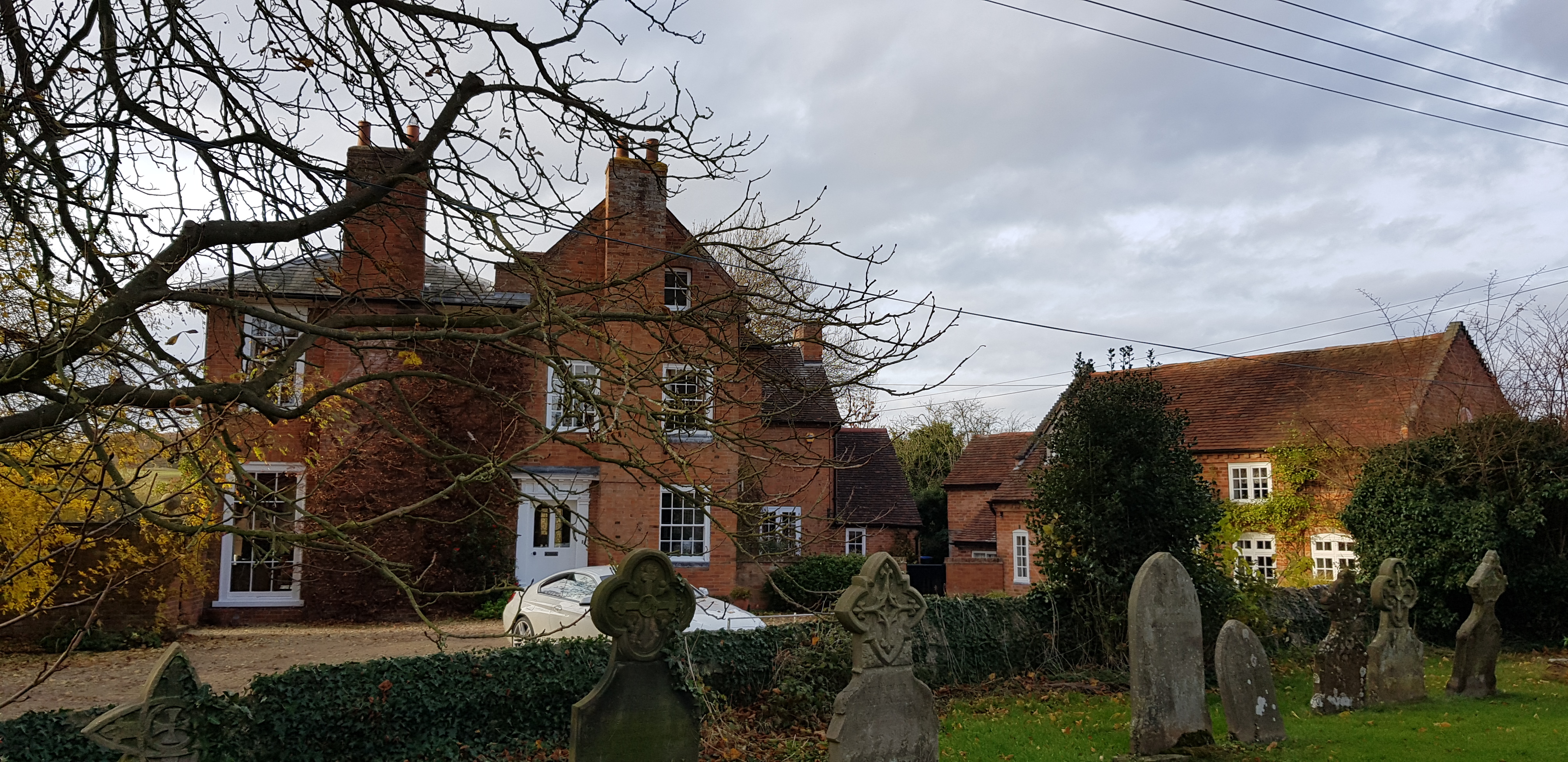
Old Vicarage
Old Vicarage
-
Cantelupe Family Tree
Cantelupe Family Tree
-
Footpaths Info Board
Footpaths Info Board
-
Mary Arden's Wedding
Mary Arden's Wedding





https://www.swfhs.org.uk/index.php/image-galleries/bubbenhall-village/25-town-and-village-images#sigProId82e92036be
Thanks to Wikipedia for the information. For more indepth information please see the Aston Cantlow entry on London University's website British History Online.
Other Online Resources
- Details
- Written by webmaster
- Hits: 5413
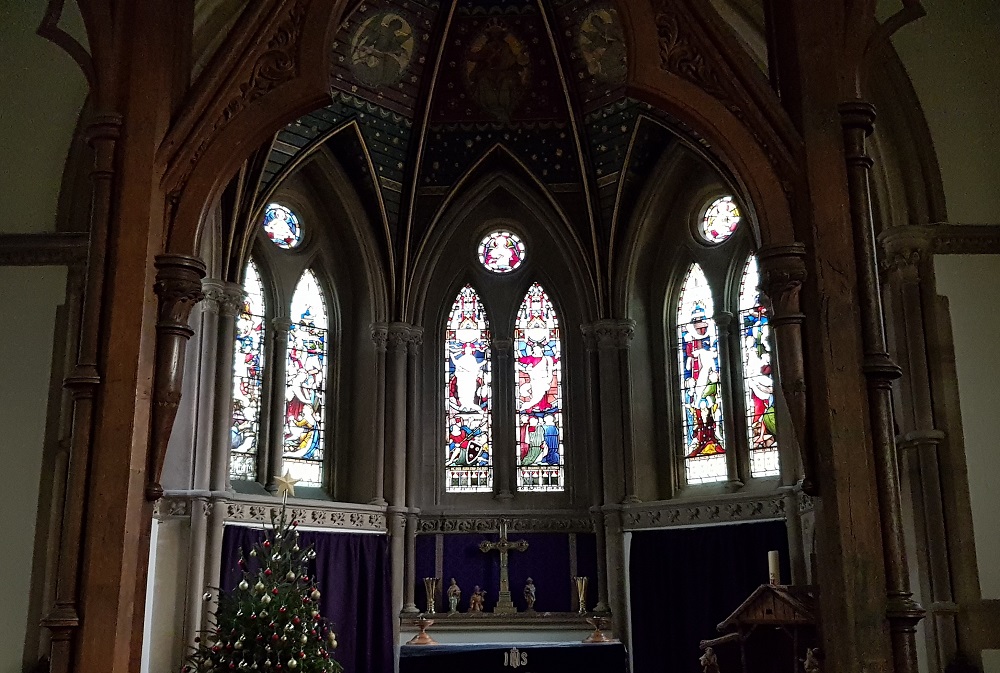
Birdingbury is a village and civil parish in the Rugby district of Warwickshire, England, just south of the River Leam, and not far from Draycote Water. It is located roughly halfway between Rugby and Leamington Spa, about eight miles from each. According to the 2001 census it had a population of 327, increasing to 362 at the 2011 census.
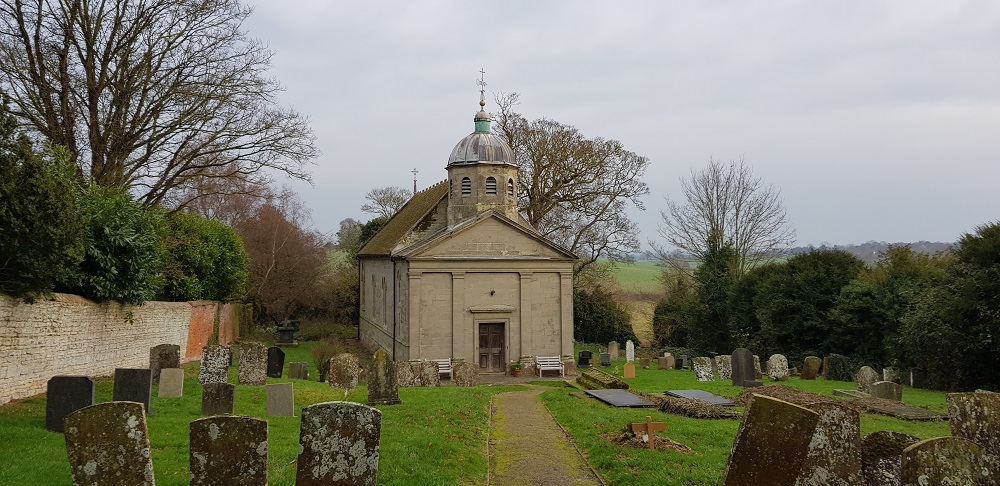
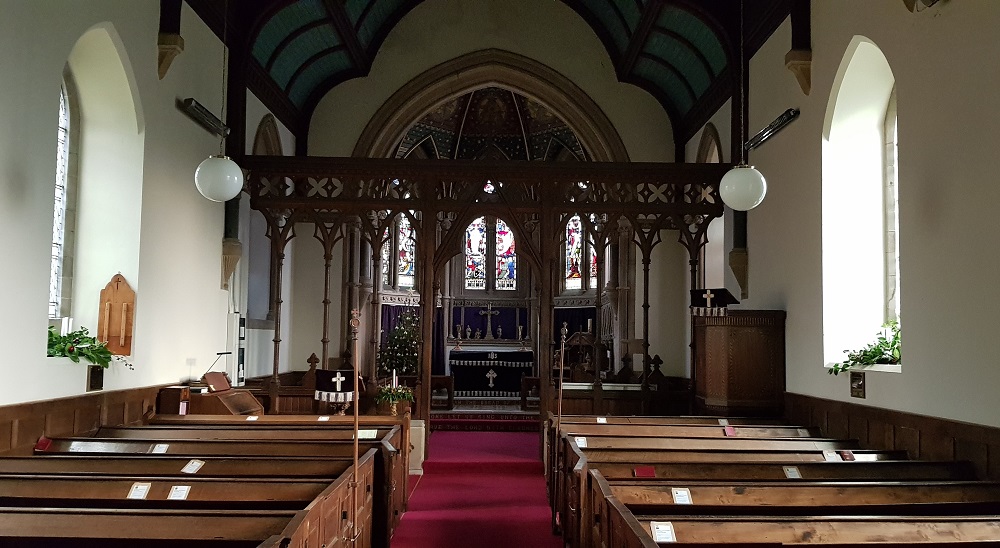
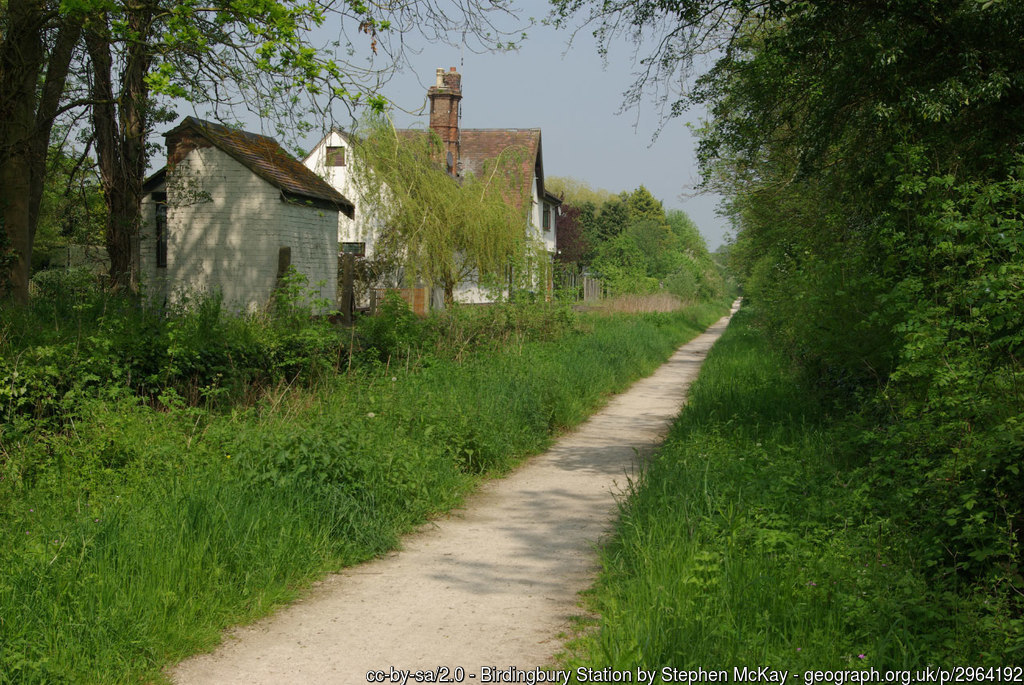
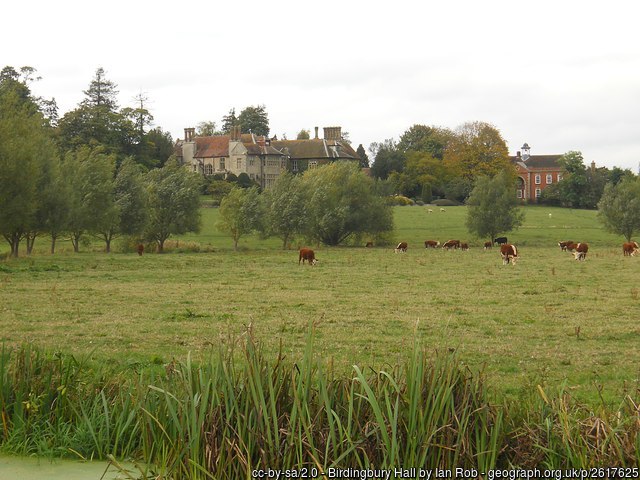
The village appears as Birbury on the Christopher Saxton map of 1637. Birdingbury today consists mostly of 20th century developments, but Birdingbury Hall dates back to the early 17th century, and was rebuilt in Jacobean style in 1859 following a major fire. St Leonard's Church in the village is partly Victorian and partly Georgian. Birdingbury once had a station, about a mile north of the village centre, and opened in 1851, on the former Rugby to Leamington Spa railway line, which has been partly converted into a cycleway as part of the National Cycle Network.
The village holds the annual Birdingbury Country Festival each summer. The Birdingbury Club, in the former school building, is open most nights of the week and runs a number of events and entertainment throughout the year. In March 2009, Birdingbury Village Plan was officially opened to the public. The village plan consists of anonymous views from the village people, answers to a village questionnaire and other sections about the village, for example the history of Birdingbury.
Links to SWFHS Content about Birdingbury
A small gallery of images from the Village of Birdingbury.
-
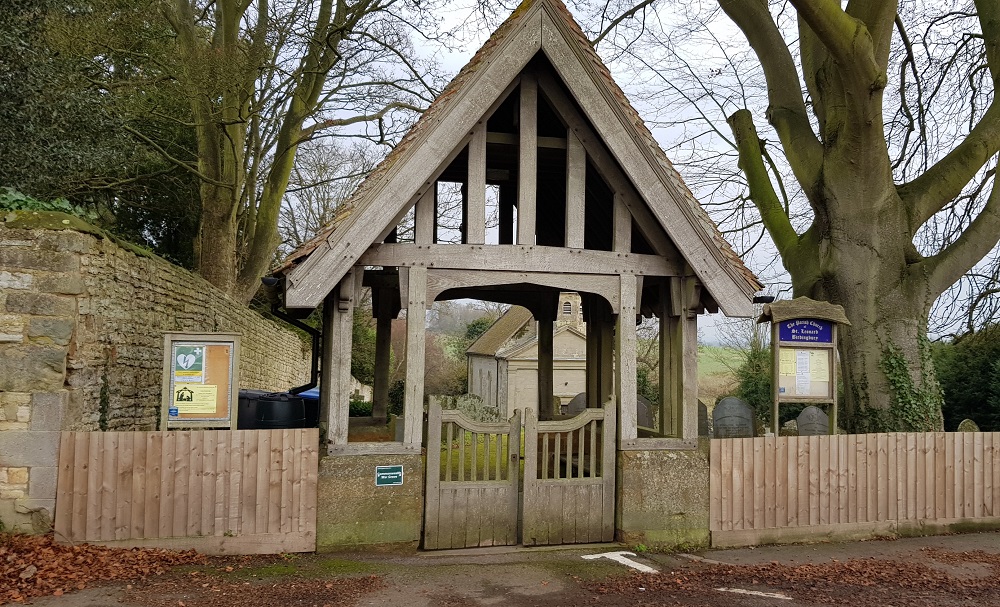
Entrance to St. Leonards
Entrance to St. Leonards
-
St Leonards Church
St Leonards Church
-
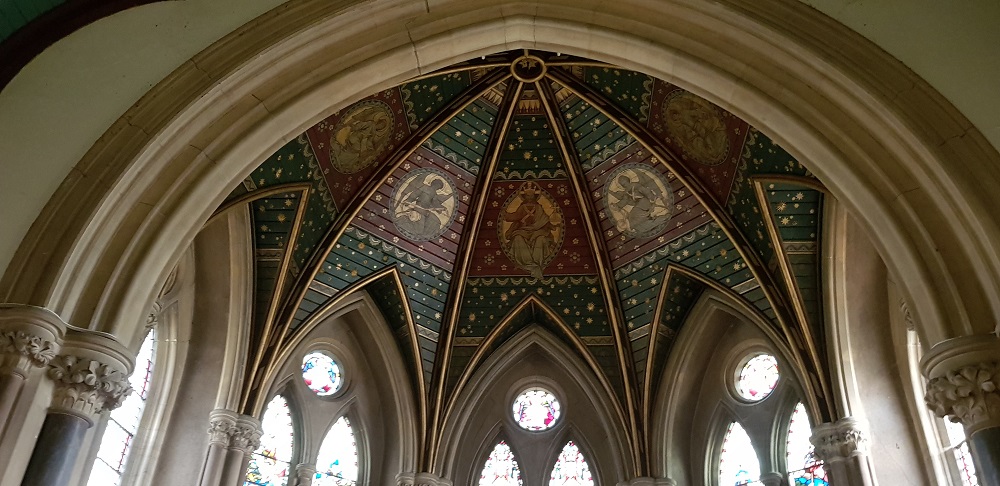
St. Leonards Ornate Ceiling
St. Leonards Ornate Ceiling
-
Windows and Ceiling
Windows and Ceiling
-
Interior of St. Leonards
Interior of St. Leonards
-
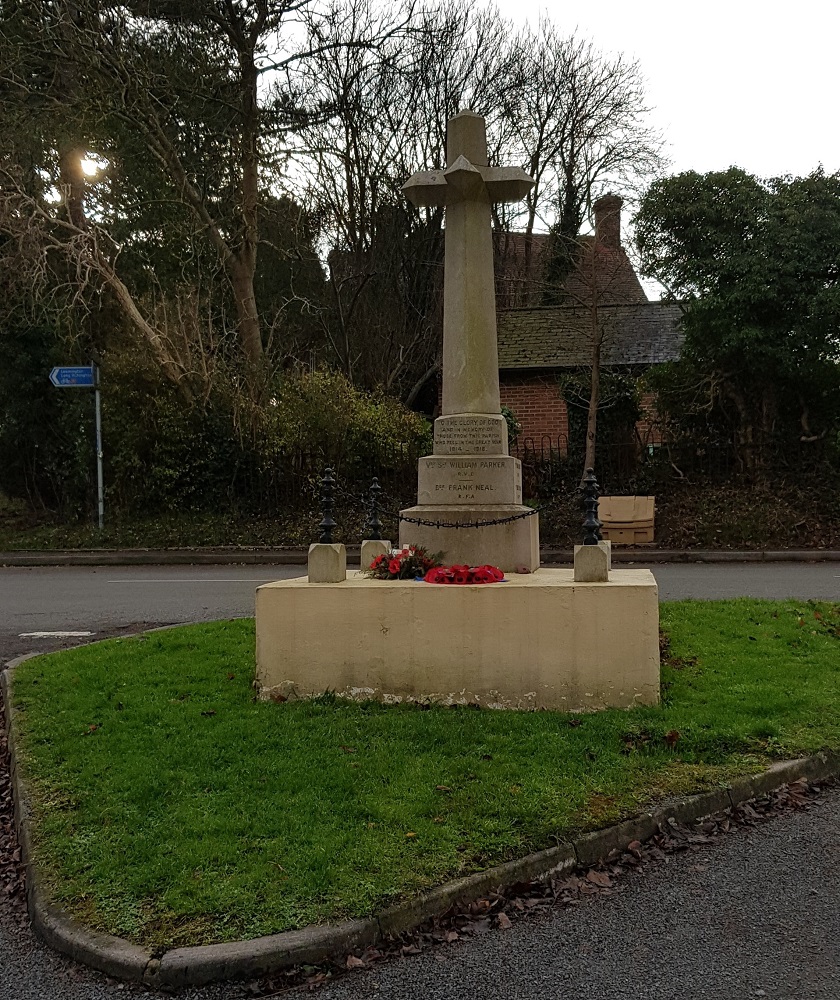
War Memorial Cross
War Memorial Cross
-
Birdingbury Station
Birdingbury Station
-
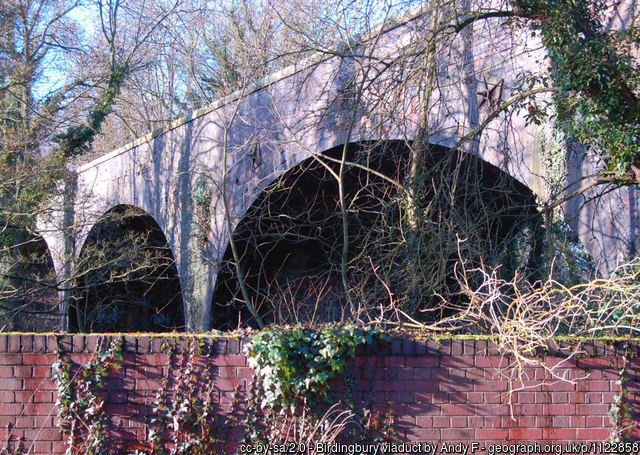
Birdingbury Viaduct
Birdingbury Viaduct
-
Birdingbury Hall
Birdingbury Hall
https://www.swfhs.org.uk/index.php/image-galleries/bubbenhall-village/25-town-and-village-images#sigProId020cc4e7e8
Thanks to Wikipedia for the information. For more indepth information please see the Birdingbury entry on London University's website British History Online.
Other Online Resources
- Details
- Written by webmaster
- Hits: 4604
- You are here:
-
Home

-
Towns & Villages in SWFHS
-
Bubbenhall & Gallery
- Town and Village Images